TMS for Major Depressive Disorder
The most established use of TMS. FDA-cleared, and a non-medication treatment option.
When Treatment Hasn’t Been Enough
Some days it is heaviness. Some days it is nothing at all, no drive, no spark, everything costing double the effort it used to. Medication helps some people. For others it falls short or brings side effects that are not worth it.
Major depressive disorder is the most studied use of TMS, the condition it is FDA-cleared for, with decades of clinical research behind it. If previous treatment has not provided enough relief, a consultation can help determine whether TMS is an appropriate option.
How TMS Helps With Depression
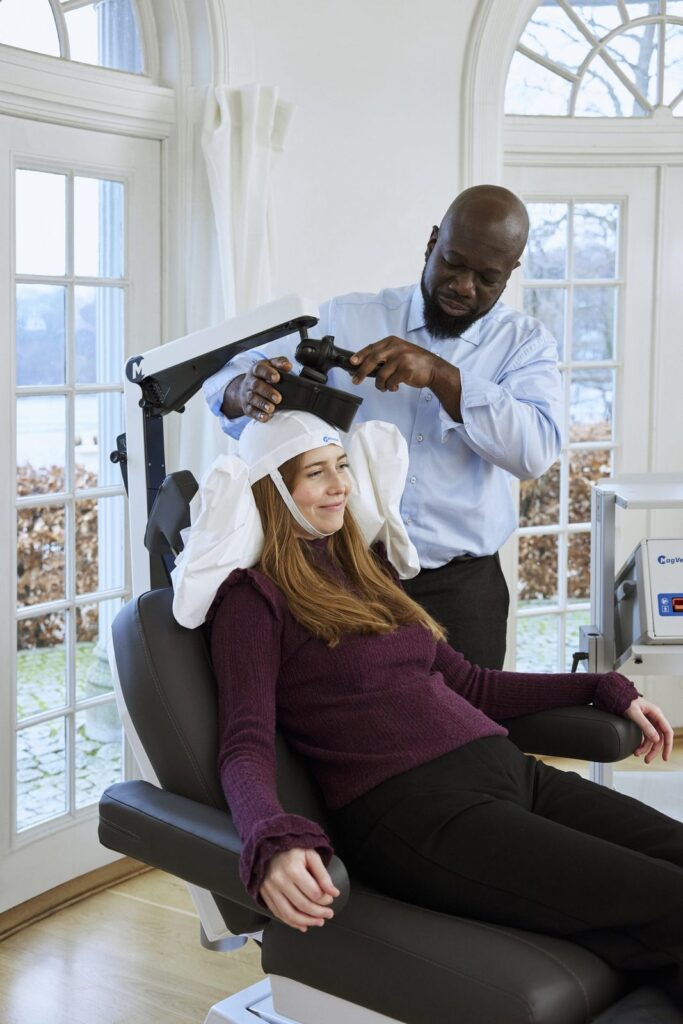
Depression is linked to underactive circuits in the brain’s mood-regulation network. TMS delivers magnetic pulses to targeted areas of the brain. Treatment is non-invasive, and assessments help establish your starting point and track changes throughout care.
FDA-Cleared for MDD
Major depressive disorder is the most established use of TMS, backed by decades of research.
Non-Medication Treatment Option
TMS does not involve taking medication during the session and may be used alongside other treatments when appropriate.
Insurance and Payment Options
Some insurance plans cover TMS for depression when their treatment requirements are met. Our team can help check your benefits.
Sound Familiar?
TMS for depression may be worth a conversation if any of this is you:
- Medication hasn’t worked — or the side effects weren’t worth it
- Everything takes more effort than it should
- You’re functioning on the outside and running on empty inside
- Low energy, low drive, a flat mood that won’t lift
- You want progress you can measure — not just “give it time”
Four Simple Steps
1. Consultation
A straight conversation about what you want to improve — and whether TMS is the right tool.
2. Planning
Your baseline is measured with standardized assessments and your schedule is mapped out.
3. Sessions
Treatment sessions last about 45 minutes. You remain awake, and most people can return to their usual activities afterward.
4. Progress
Follow-up assessments help you and your provider review changes and guide the next steps in your care.
Common Questions
Major depressive disorder is the most established use of TMS. It is FDA-cleared for that use and has been in clinical use for well over a decade, with decades of supporting research. Your provider will confirm which uses apply to your care.
Some clinical services may be covered by insurance. Coverage depends on your plan and treatment requirements. Our team can help check your benefits and explain cash-pay options before you begin. Benefit verification does not guarantee coverage or payment.
A typical course runs 20 to 36 sessions, usually five days a week over several weeks. Treatment sessions last about 45 minutes. You remain awake, and most people can return to their usual activities afterward. Your plan is set during treatment planning and adjusted based on your measured progress.
TMS may be used alongside other treatments when appropriate, including medication. Any changes to your medication are always between you and your prescriber.
Get Your Drive Back
One conversation to find out whether TMS fits what you’re carrying. Straight answers, zero pressure.